





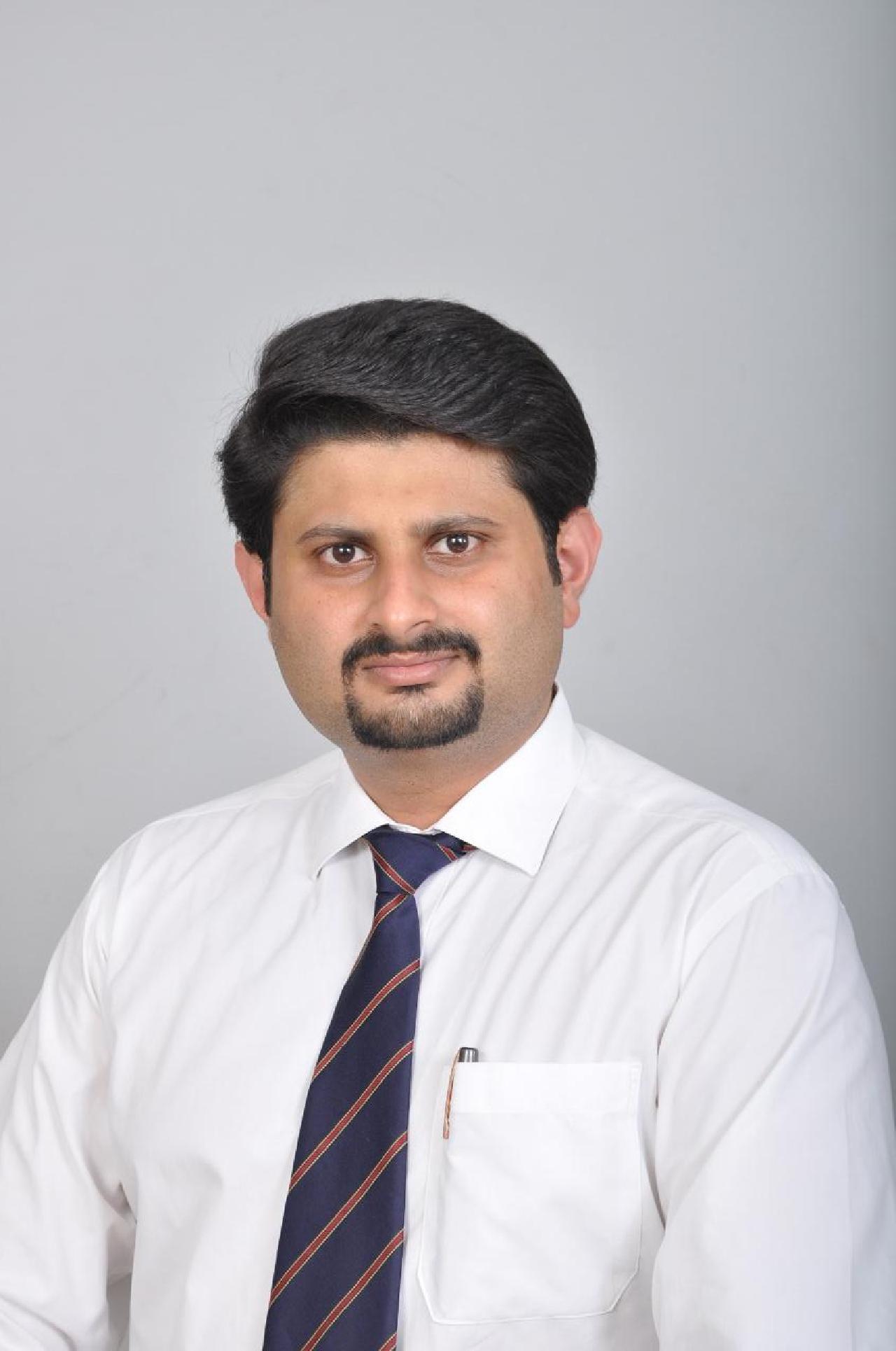
By Dr Shashank S Kari
National Vascular Day in India is celebrated on August 6 every year to raise awareness about vascular diseases, affecting the blood vessels leading to serious health issues. This day aims to educate the public about the importance of early detection, prevention, and management of these conditions and serves to highlight the role of vascular health in overall well-being and to encourage individuals to adopt healthier lifestyles and seek medical advice for vascular health concerns.
The burden of vascular disease in India is significant and growing. Patients with existing cardiac disease are more prone to have higher as they suffer from diabetes, hypertension, obesity, smoking and high cholesterol. Rapid urbanisation as also increased rates of smoking, sedentary lifestyles, and poor dietary habits, obesity all of which are significant risk factors for vascular diseases. Chronic vascular diseases can lead to loss of productivity due to disability and premature mortality, impacting economic growth and individual livelihoods. Certain vascular diseases do have genetic and familial predispositions.

SYMPTOMS
The symptoms can vary depending on the specific condition and the affected blood vessels. Patients with lower leg arterial blocks can present with cramping pain in the leg, typically on walking for small distances. Also they can have weakness or numbness, coldness, and pale to bluish appearance of feet and legs. If blocks involve arteries to the brain, symptoms might include weakness or numbness at one side of the body, including face, arm and leg, which gets normalized within 24 hours.
Patients with blocks in the veins can have symptoms such as sudden swelling of the legs, pain in the legs on walking or even touching, and redness in the affected leg. This condition is termed as Deep venous thrombosis and is potentially dangerous. The clots can break and enter the lung’s vessels, blocking blood supply to the lung. This is called Pulmonary embolism. They present as sudden breathlessness, chest pain, cough with blood.
Varicose veins are common condition affecting upto 30% of Indian population. It commonly affects women and people with long-standing or sitting jobs. They complain of swelling, heaviness, aching in the legs and also swollen, twisted veins in the leg which increase on prolonged standing or more so by evening. Also they can have blackish iscolouration around the inner aspect of the ankle, along with itching. They develop small difficult-to-heal ulcers initially that later form a big ulcer which is non-healing from months to years. Recognising and addressing symptoms early is crucial for effective management and treatment of vascular diseases.
COMMON VASCULAR DISEASES
The common vascular diseases that are treated are Peripheral Artery Disease secondary to atherosclerosis leading to gangrene, Deep vein thrombosis, Varicose veins, Pulmonary embolism, Aneurysms (Abnormal dilatation of the artery) and TIA (symptoms like a stroke but gets resolved within 24 hours). The other diseases that are treated are Diabetic foot, Lymphedema, Arteriovenous malformation, providing access for dialysis by creating either an AV Fistula or preventing failure of a fistula, In traumatic fractures involving vessel repair, in Oncosurgical arterial reconstructive procedures where tumour seems inoperable as it involves the artery or vein, Aortic dissection and Thoracic outlet syndrome.
TREATMENT OPTIONS
The spectrum of treatment options that a vascular surgeon provides includes medical management, non-surgical endovascular management and/or surgical management depending upon the disease extent and patient condition. Preventing vascular diseases involves adopting a healthy lifestyle and educating oneself about vascular health and its risk factors to make proactive choices. Healthy lifestyle starts from a healthy diet. One should have a balanced diet that focusses on fruits, vegetables, lean proteins, healthy fats, whole grain. Reducing sugar and salt in the regular diet help preventing diabetes and hypertension.
Always stay hydrated and drink upto 3-4 litres of water per day, unless you have a kidney disease. Healthy fats are unsaturated fats that are found in olive oil, nuts, avocados. Exercise is also a vital part and one should aim for at least 150 minutes of moderate aerobic or 75 min of vigorous exercise each week, combining with muscle-strengthening exercises. All forms of tobacco (gutka, paan, cigarette, cigar, khaini etc) are a major risk factor for vascular diseases and should be avoided.
Engage in stress-relief activities such as yoga, meditation or hobbies. Regularly check your blood sugars, BP and weight so as to maintain it in its appropriate range. Regular health screening is essential to detect potential issues early, prevent serious complication and improve quality of life. If you are aged more than 50 yrs and have any of the risk factors for vascular diseases, its advisable to visit a vascular surgeon and get checked for vascular health once in 3 to 5 years. If you are already having a vascular health problem, then your follow up depends as per the doctors instructions.
By integrating these preventive measures into daily life, you can significantly reduce the risk of developing vascular diseases and enhance your overall cardiovascular health.
[The writer is MS, DrNB (Vascular and endovascular surgery), Consultant Vascular and Endovascular surgeon. He may be contacted by phone on 9945899973 or email on shashankkari@gmail.com]