






Belagavi North MLA Asif (Raju) Sait held a series of high-level discussions in New Delhi as part of an official delegation focused on accelerated development, administrative coordination, and organizational strengthening for Karnataka.
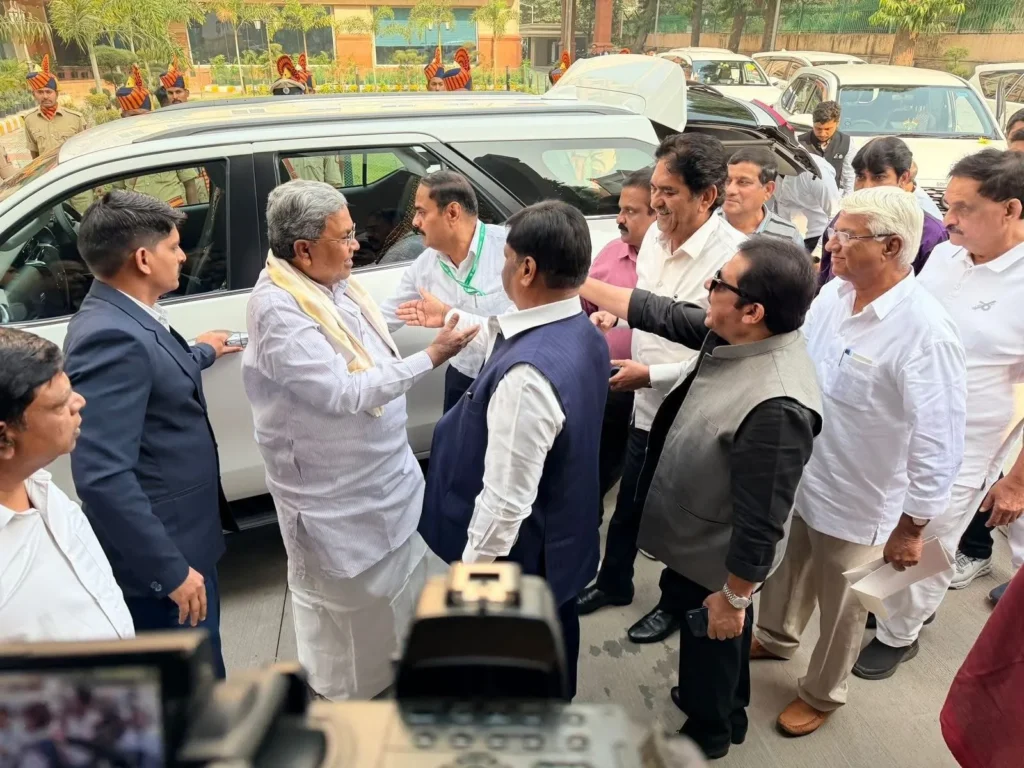
During the visit, MLA Sait accompanied Chief Minister Siddaramaiah and Cabinet Minister B.Z. Zameer Ahmed Khan to Karnataka Bhavan, where they reviewed the progress of major ongoing projects and discussed strategies to fast-track sanctioned works. Key conversations revolved around improving inter-departmental coordination, securing timely approvals, and ensuring that welfare-oriented programs reach beneficiaries more effectively.
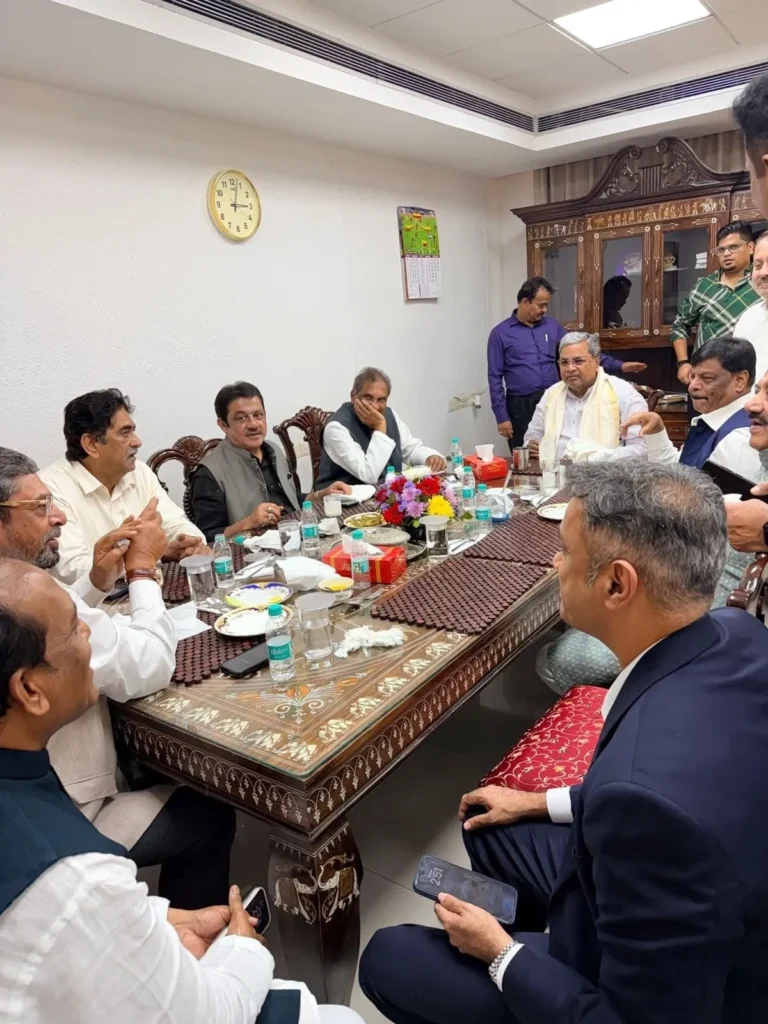
According to sources, the meetings placed particular emphasis on resolving bottlenecks that delay infrastructure projects and state-level schemes. MLA Sait highlighted the specific needs of Belagavi North, stressing the importance of administrative support to drive development in critical sectors such as urban infrastructure, public services, and constituency-level upgrades.

As part of the Delhi engagements, MLA Sait also met AICC General Secretary (Organisation) K.C. Venugopal in the presence of Minister Zameer Ahmed and MLA Prasad Abbayya. The discussions covered organizational preparedness, strengthening outreach mechanisms, and enhancing coordination between state and national leadership. The leaders also reviewed ongoing initiatives and political developments, assessing ways to improve internal structures and communication channels.
Similar News: MLA Asif Sait Launches ₹36 Crore Drainage Project in Belagavi North
The visit underscored MLA Asif (Raju) Sait’s ongoing efforts to secure developmental backing for Belagavi North while contributing to state-level conversations on governance, administration, and party organization. His participation in the high-level meetings signals a continued push for faster implementation of approved projects and stronger policy alignment with local priorities.
For residents of Belagavi North, the engagements reflect a focused approach toward improving infrastructure progress, enhancing public-service delivery, and ensuring that the constituency receives sustained support from state and central systems.