






Karnataka’s 2025 budget focuses on infrastructure, clean mobility, GCC expansion, and fiscal growth—driving economic progress across the state.
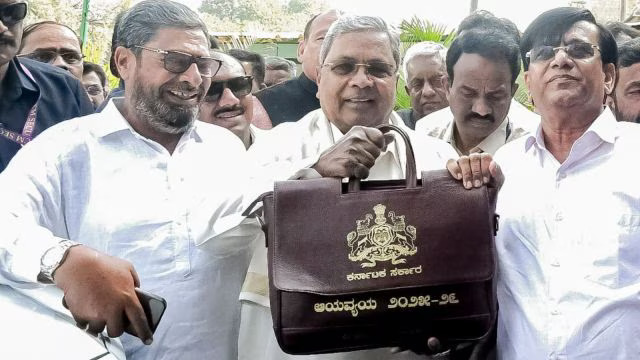
On March 7, 2025, Karnataka’s Chief Minister Siddaramaiah, presented the state’s budget for the fiscal year 2025-26, outlining a comprehensive plan aimed at fostering economic growth, enhancing infrastructure, and promoting social welfare.
Economic Outlook and Fiscal Parameters
The Gross State Domestic Product (GSDP) for 2025-26 is projected at ₹30.72 lakh crore, reflecting a 9.4% increase over the previous year. The state’s expenditure (excluding debt repayment) is estimated at ₹3,82,000 crore, marking a 17% rise from the revised estimates of 2024-25. Revenue receipts are anticipated to reach ₹3,05,000 crore, indicating a 16% growth compared to the previous fiscal year. However, the budget forecasts a revenue deficit of 1% of GSDP (₹30,720 crore), up from 0.54% in 2024-25.
Key Budgetary Allocations and Initiatives
Infrastructure Development: The budget emphasizes significant investments in infrastructure, including the development of new highways, enhancement of public transportation systems, and modernization of urban amenities to support the state’s rapid urbanization.
Agriculture and Rural Development: Allocations have been increased to support farmers through subsidies, irrigation projects, and rural development programs, aiming to boost agricultural productivity and improve rural livelihoods.
Education and Healthcare: Substantial funds have been earmarked to improve educational infrastructure, implement skill development programs, and enhance healthcare facilities, particularly in underserved regions.
Clean Mobility Initiatives: In line with global sustainability trends, Karnataka plans to implement tax waivers and financial incentives to promote the clean mobility sector, including a significant tax cut for hybrid cars. This move is expected to boost the adoption of electric and hybrid vehicles in the state.
Global Capability Centers (GCCs): The state aims to double the number of GCCs to 1,000 by 2029, creating approximately 350,000 new jobs. Incentives such as rent reimbursements and exemptions from electricity duties are proposed to attract more foreign companies to set up local offices in Karnataka.
Belagavi Highlights:
1. Establishment of Rajiv Gandhi Health University in Belagavi
To enhance medical education and healthcare services in the region, the budget proposes the establishment of the Rajiv Gandhi Health University in Belagavi.
2. Development of a Global Technology Centre by KEONICS
The Karnataka State Electronics Development Corporation Limited (KEONICS) plans to set up a Global Technology Centre in Belagavi. This plug-and-play facility aims to foster technological innovation and attract IT businesses to the region.
3. Allocation for Belagavi-Dharwad Railway Project
The budget allocates ₹8.51 crore for the Belagavi-Dharwad railway project via Kittur. This funding is intended to support preliminary assessments and groundwork, although significant progress awaits the completion of land acquisition.
4. Construction of New Deputy Commissioner’s Office
An allocation of ₹55 crore has been designated for the construction of a new Deputy Commissioner’s office in Belagavi. This initiative aims to enhance administrative efficiency and public service delivery in the region.
5. Minor Irrigation Works in Junzarwad, Athani Taluka
To bolster agricultural productivity, the budget includes provisions for minor irrigation projects in Junzarwad, located in Athani Taluka. These projects are expected to improve water availability for farming activities, benefiting local farmers.
Fiscal Prudence and Future Outlook
While the budget outlines ambitious expenditure plans, the increase in the revenue deficit to 1% of GSDP necessitates careful fiscal management. The state government must focus on enhancing revenue generation and ensuring efficient utilization of funds to maintain fiscal sustainability.
Overall, the Karnataka State Budget 2025 reflects a strategic approach to fostering inclusive growth, with targeted investments in critical sectors poised to drive the state’s socio-economic development in the coming years.