










World Health Day : Our Planet Our Health
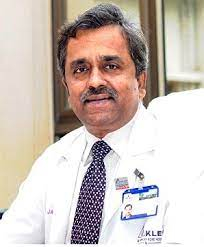
By Dr M V Jali
While India is advancing in every field including the health sector, the number of an ageing population over 65 years is also rising. At least 20% citizens above age of 65 years have diabetes, and this number is growing rapidly.
Older individuals with diabetes have higher rates of premature death, functional disability, and coexisting illnesses, such as hypertension, coronary heart disease, infections and stroke than those without diabetes.
Many have several common geriatric syndromes, such as polypharmacy, cognitive impairment, urinary incontinence, injurious falls and persistent pain.
Screening for diabetes complications in older adults also should be individualised as they are at higher risk for depression. Short period complications should be attended to first. Almost all the older individuals with diabetes have little co-morbidity. Life expectancies in this population are often longer than anticipated. Providers caring for older adults with diabetes must take this heterogeneity into consideration when setting and prioritising long-term care & treatment goals in elderly.
Diabetes mellitus (DM) is a major health problem for the ageing population. Blood Glucose (Glycemic) control is fundamental to the management of diabetes, as glucose levels are linked to the development of diabetes-related complications.
Dorner guidelines allow for liberalisation of the dietary treatment of diabetes in people with type 2 diabetes in long-term care facilities accompanied by careful monitoring of blood glucose levels, medications.
Diet liberalisation promotes better health and improved quality of life for elders who are at higher risk of low blood sugar (hypoglycaemia) for reasons like insulin deficiency and progressive kidney disease.
The rate of unidentified cognitive deficits, causing difficulty in complex self-care activities (e.g., glucose monitoring, and adjusting insulin doses) is higher. Thus, glycemic targets need to be adapted to accommodate the changing requirements of senior citizens who require particular care in prescribing and monitoring pharmacological treatment. As they are on multiple medications, cost may be a significant factor.
CONCLUSION: Old type 2 diabetes treatment be integrated into global and individualised care. For the dependent patient, maintaining comfort becomes the priority goal. Teaching school children “To Adopt an Elderly” to talk to them, makes their isolated lives more pleasant.
[The writer is Medical Director & CEO of KLES Dr Prabhakar Kore Hospital, Belagavi]
Courtesy : The Goan