





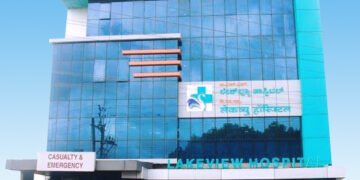







BM Bureau : A couple who endured the heartbreaking loss of a child to a rare inherited neurological disorder has welcomed a healthy baby following an advanced genetic procedure at Patted’s Fertility & Research Centre (PFRC), Belagavi, marking North Karnataka’s first successful pregnancy and birth through Preimplantation Genetic Testing for Monogenic Disorders (PGT-M) for Spinal Muscular Atrophy (SMA).
The achievement marks a significant milestone in reproductive medicine, offering renewed hope to couples at risk of passing serious genetic disorders to their children.
From heartbreaking losses to renewed hope
The 31-year-old woman and her husband approached the centre after two pregnancies were affected by SMA. Their first child, a boy, was diagnosed with the disorder and died at the age of 18 months. During the second pregnancy, prenatal genetic testing detected the same condition in the developing baby, following which the pregnancy was terminated in the fifth month.
Further genetic evaluation revealed that both parents were carriers of the genetic variation responsible for SMA. Although they were healthy, each pregnancy carried a 25 per cent risk of the child inheriting the disorder.
Understanding the inherited neurological disorder
SMA is an inherited neurological condition caused by changes in the SMN1 gene. It affects the nerve cells responsible for muscle movement and can lead to progressive muscle weakness, affecting a child’s ability to sit, walk, swallow and breathe.
Advanced genetic screening makes the difference
Considering the couple’s genetic history, the fertility team recommended in-vitro fertilisation (IVF) combined with PGT-M, an advanced technique that enables embryos to be screened for specific inherited disorders before being transferred into the uterus.
Following genetic screening, an embryo unaffected by SMA was identified and successfully transferred, resulting in pregnancy. Amniocentesis was subsequently performed to confirm the baby’s genetic status, with the results indicating that the child was not expected to develop the disorder.
High-risk pregnancy successfully managed
The pregnancy required additional medical supervision as the mother had hypothyroidism and later developed gestational diabetes and hypertension. Despite these complications, she successfully delivered the baby through a Caesarean section. Senior neonatologist Dr. Manisha Bhandankar examined the newborn and confirmed that the baby was clinically normal.
The medical team included Dr. Soubhagya Bhat, Dr. Bhagyashree Kadam and embryologists Vijeta and Shreya. Genetic expertise and guidance were provided by Dr. Fiona D’Souza of Anderson Diagnostics.
IVF offers hope beyond infertility treatment
Speaking about the milestone, Dr. Shobhana Patted, Medical Director and Consultant Fertility Specialist at PFRC, said advanced reproductive technologies had expanded the role of IVF beyond infertility treatment.
“IVF is not only a treatment for infertility but, with advanced technologies such as PGT-M, can also help couples who can conceive naturally but are at high risk of passing serious genetic disorders to their children,” she said.
The centre emphasised that PGT-M is suitable for selected couples following detailed genetic evaluation and counselling. While the procedure significantly reduces the risk of transmitting the specific disorder being tested for, confirmatory prenatal testing remains important.
The successful outcome demonstrates how advances in reproductive genetics can help families with a history of inherited disorders make informed reproductive choices and experience the joy of parenthood.