







 World Spine Day is on October 16 each year to create awareness about the burden of spinal pain and disability in the public at large. It helps us to motivate people to adopt healthy routines to make their back strong, active and flexible to lead a normal healthy life.
The Covid-19 pandemic had put social restrictions and lockdowns which forced people to work from home with the majority having insufficient or improper facilities to comfortably work for a prolonged duration, which had detrimental effects on spinal health and strength.
Theme for World Spine Day 2021: The World Spine Day theme for 2021 will be ‘BACK 2 BACK!’ It reflects the need to reset and refocus on spinal pain and disability as part of the global burden of disease.
History and Significance of the day: The World Federation of Chiropractic has been coordinating World Spine Day in collaboration with organizations across the world since 2012.
World Spine Day recognizes the lack of access to quality spine care and rehabilitation in under-served communities, which results in chronicity and permanent deformity.
The day is observed by health professionals, exercise and rehabilitation experts, public health advocates, schoolchildren and patients across the world.
Today we will discuss on the topic of low back pain
LOW BACK PAIN
Low back pain is a musculoskeletal disorder
- Affects area below the ribs and above the legs Is caused by overuse or strain of
muscles or injury
- Almost everyone has an episode of low back pain sometime during their life
- Pain may radiate from the spine muscles, nerves, or mid or upper back
- Hernia in the groin or a problem in the testicles or ovaries can also cause pain
- Herniated or a completely degenerated spinal disc can also cause pain
. Most cases can be managed by exercise and medication
Causes of low back pain
- Muscle spasm
- Small fractures in the spine to secondary to osteoporosis
- Poor posture
- Degeneration of discs
- Overuse or Injury to muscles or ligaments around the spine and discs
- Weight gain during pregnancy
- Developmental defects of spine
- Spondylolisthesis
- Herniateddisks
- Fibromyalgia
- Spinal stenosis
- Ruptured or herniated disc
- Biomechanical stress due to repetitive mechanical strain from heavy work or sports
- May be related problems in internal organs of the pelvis or abdomen
RISK FACTORS OF LOW BACK PAIN :
- Hard physical work
- Advanced age
- Diabetes
- Smoking
- Family history
- Weight gain during pregnancy
- Extra body weight, especially around the
- waist, increases the stress and strain on
- muscles
- Extra body weight around the waist pulls
- the lower back forward, causing pain
- Obesity
SYMPTOMS OF LOW BACK PAIN
Acute-short term pain lasting for few days to less than 6 weeks
Sub acute-pain lasts for 6-12 weeks
Chronic-pain that persists for more than 12 weeks
- Pain radiates from the lower back, down the legs and may extend to the knees
- Numbness or tingling sensation in the lower limbs
- Sudden bowel or bladder incontinence,
- Abdominal pain
- Burning or sharp pain caused by damage to nerve tissue, knownas neuropathic pain
- Intense pain on lower right or left side or center of lower back
DIAGNOSIS :Diagnosis aims at identifying the exact cause of pain. Tests that could recommended include
- MRI
- Bone scan
- X-rays
- CT scan
- Blood Test
TREATMENT
Treatment of low back pain is directed toward a diagnosed or suspected cause. In most people low back pain resolves within a few weeks with proper management
Ice & Heat:
- Ice/frozen bag applied to the lower back may be beneficial for inflammation
- Application of heat or ice may help relieve pain and muscle tension
- Rest for a few days is generally recommended
Back Braces:
- . May provide support for the abdomen and helps reduce load on the lower back
- They also restrict motion and improve posture
MEDICATIONS
- Analgesics
Relieve pain and reduce inflammation
Available as tablets or as skin cream and spray
Eg: NSAIDS (non-steroidal anti-inflammatory drugs)
- Muscle relaxants
Used to alleviate musculoskeletal pain and spasms
Commonly prescribed for low back pain or neck pain along with NAIL
(non-steroidal anti-inflammatory drugs)
Eg : Cyclobenzaprine, Metaxalone, Tolperisone, Thiocolchicoside
- Anticonvulsants
Low doses are prescribed to treat leg pain, when associated with low
back pain
.Antidepressants
Reduce anxiety and muscle tension
They may also increase the levels of serotonin. the neurotransmitter is responsible for pain control
EXERCISE AND PHYSICAL THERAPY
Exercises help recover from back pain and prevent future pain or loss of function. Exercises to be done in the presence of a physical therapist
Physical therapy can include:
- Daily exercises that can be practiced at home such as gentle stretches & basic asymmetric exercises
- Exercises like flexing, endurance training, stretching, aerobic and strength building
Pelvic tilt
Lie flat on the back with knees bent and feet flat on the floor. Tighten the abdominal muscles so that the lower of the back pressed flat against the floor. Hold for a few seconds and relax.
Hip flexor stretch
Kneel on one knee and place the other foot flat on the floor in front of you. Hold the leg placed at the back rigidly straight. Flex forward through the trunk until the knee of front leg contacts the armpit region. Repeat the exercise with the other leg in front.
Straight leg raises
Lie flat on your back with one leg stretched and one knee bent. Tighten abdominal muscles to
steady the lower back. Slowly raise the stretched leg up and hold for few seconds. Lower the leg slowly Repeat the exercise with the other leg.
wall squats
Stand with back leaning against wall. Walk only the feet about 12-inches in front of the body
Keep abdominal muscles tight while bending both knees slowly to come to a sitting position.
Hold for some time. Come back to upright position slowly. Repeat 90/90 rest position Lie on a flat surface and flex the hips and knees to 90 degrees.
Seated knee-chest exercise
It is an alternative exercise for the standard knee to chest exercise. Sit on a chair. Bend forward and touch the toes. Hold for 5 to 10 seconds, relax and repeat the exercise.
Piriformis stretch
Sit on a flat surface with the legs crossed. Cross the right leg over the left, placing the foot at outer left knee. Place the left hand on the outer right knee and pull the right knee towards the left until you feel a stretch. Hold for a few seconds. Relax and repeat the exercise by crossing the left leg over the right leg.
Heel raises
Stand with weight even on both feet. Raise heels up and down slowly. Repeat.
HOW TO PROTECT YOUR LOWER BACK
Poor postures and excessive stress may lead to back problems. Improving posture and reducing stress on the back would help prevent back pain.
- Try different sleeping positions that protect the back
- Standing incorrectly can stretch the spinal ligaments and cause backache. Stand upright with head facing forward, back straight and avoid stooping
Protect back while sitting at a desk, Sit upright with a support in lower back. Ensure that the desk is of Sufficient height to sit upright and work comfortably
Wear flat or low-heeled shoes. Exercise regularly
- Bending at the knees is the proper way to lift heavy things and to avoid back
.Maintain a healthy weight problems . Quit smoking
Disclaimer: The contents are for information only. Please consult your doctor.
By- Dr. Raviraj Ghorpade Mch, Senior Consultant Brain and Spine Surgeon
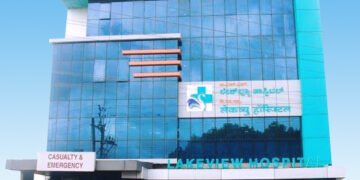
BHS Lakeview Group of Hospitals Belagavi.