













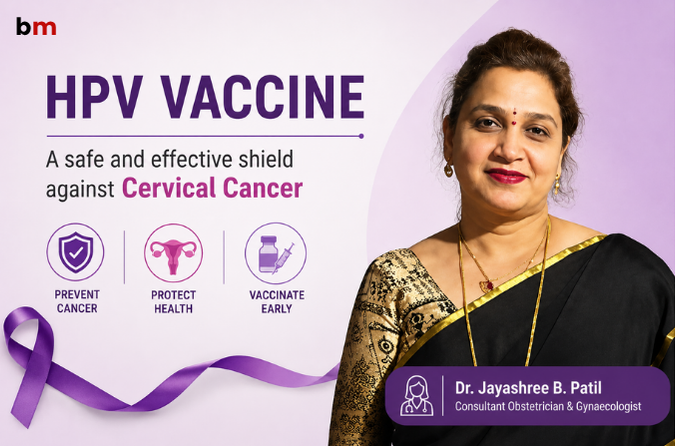
 Cervical cancer is among the most common cancers affecting women worldwide, but it is also one of the most preventable. Medical experts say vaccination against the Human Papillomavirus (HPV), combined with regular cervical cancer screening, offers one of the strongest defenses against the disease.
HPV refers to a group of more than 200 related viruses. While many HPV infections clear naturally without causing harm, certain high-risk strains can lead to cervical cancer and other cancers affecting the anus, vulva, vagina, penis and throat. Some low-risk HPV types are also responsible for the majority of genital warts.
Three HPV vaccines have been developed to protect against these infections. Gardasil, a quadrivalent vaccine, protects against HPV types 6, 11, 16 and 18. HPV types 6 and 11 cause nearly 90 per cent of genital warts, while types 16 and 18 are responsible for approximately 70 per cent of cervical cancer cases. Gardasil 9 provides broader protection by covering the four HPV types included in Gardasil along with five additional high-risk strains—31, 33, 45, 52 and 58. This expanded protection can help prevent up to 90 per cent of cervical cancer cases. Cervarix, a bivalent vaccine, targets HPV types 16 and 18, the two strains most commonly associated with cervical cancer.
According to health recommendations, children aged 11 to 12 years should ideally receive two doses of the HPV vaccine, administered six to twelve months apart. Teenagers and young adults who begin vaccination between the ages of 15 and 26 years are advised to receive three doses over a six-month period for maximum protection.
The benefits of HPV vaccination extend beyond cervical cancer prevention. The vaccine also significantly reduces the risk of other HPV-related cancers and prevents most cases of genital warts. Research has shown that the protection offered by the vaccine lasts for at least a decade, with evidence suggesting immunity continues for much longer.
Despite misconceptions circulating in some communities, extensive scientific studies conducted across the world have consistently confirmed that HPV vaccines are safe. There is no scientific evidence linking HPV vaccination to cancer, infertility or fertility-related problems. On the contrary, the vaccine is recognised globally as one of the safest and most effective methods of preventing HPV-related diseases.
Dr. Jayashree B. Patil, Consultant Obstetrician & Gynaecologist at BHS Lakeview Hospital, Belagavi, says HPV vaccination should be viewed as an investment in long-term health. She emphasises that vaccination, together with regular cervical cancer screening, provides women with the best opportunity to prevent cervical cancer and detect any abnormalities at an early, treatable stage.
As awareness about preventive healthcare continues to grow, medical experts encourage eligible adolescents and young adults to consult their healthcare providers about HPV vaccination and take informed steps towards protecting their future health.

Health Awareness Article by Dr. Jayashree B. Patil, Consultant Obstetrician & Gynaecologist, BHS Lakeview Hospital, Belagavi.