








 With heavy rains pounding Maharashtra and Belagavi district, District Commissioner Mohammad Roshan has ramped up flood preparedness measures, citing rising water levels in rivers and reservoirs across the region.
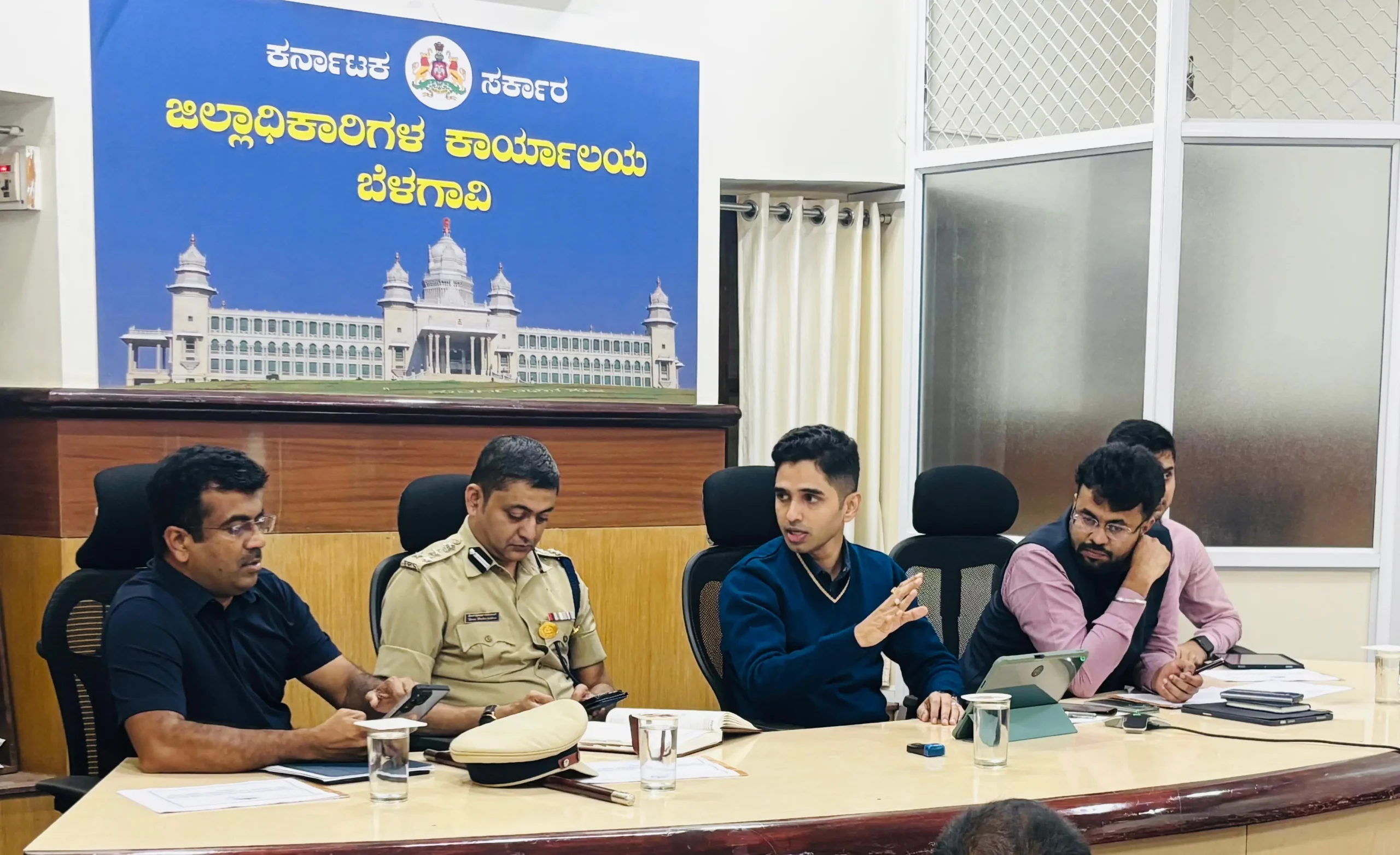
Chairing a high-level meeting of the District Disaster Management Authority (DDMA) on Wednesday, DC Roshan instructed officials to stay alert and ensure coordinated flood response strategies, particularly in Belagavi, Hukkeri, Khanapur, Nippani, and Chikkodi taluks.
Key Decisions Taken:
🔹 Reservoir Vigilance:
Authorities will monitor inflows at major reservoirs including Koyna, Markandeya, and Hidkal, with nodal officers deployed for real-time tracking. Koyna dam alone is releasing over 6 TMC of water into the Krishna River.
🔹 Evacuation Plans & Relief Centres:
Relief centres with basic amenities like food, water, toilets, and shelter are being identified. Citizens and livestock in vulnerable areas will be relocated proactively.
🔹 Submerged Bridges to Be Barricaded:
All low-lying and waterlogged bridges will have mandatory barricades, which will be removed only when safe.
🔹 Deployment of Rescue Teams:
Home Guards and Fire & Emergency teams will be equipped with boats, life jackets, barricades, and lighting for emergency operations.
🔹 Urban Precautions:
Belagavi City Corporation has been directed to clean all stormwater drains and remove dangerous roadside trees. Police Commissioner Bhushan Gulabrao Borase highlighted flooding at Gandhinagar and Sambra Road bridges due to drain blockage.
🔹 Vulnerable Structures to Be Surveyed:
A joint survey by Panchayat officials is underway to assess houses at risk of collapse. In Gokak taluk, a recent roof collapse incident has triggered further action.
🔹 Monitoring Schools & Anganwadis:
Zilla Panchayat CEO Rahul Shinde directed inspection of school and Anganwadi buildings across villages to ensure structural safety.
🔹 Control Room Activation:
A flood control room has already been set up by the district administration, and a public advisory will soon be issued. Officials were instructed to curb the spread of misinformation during the crisis.
Officials in Attendance:
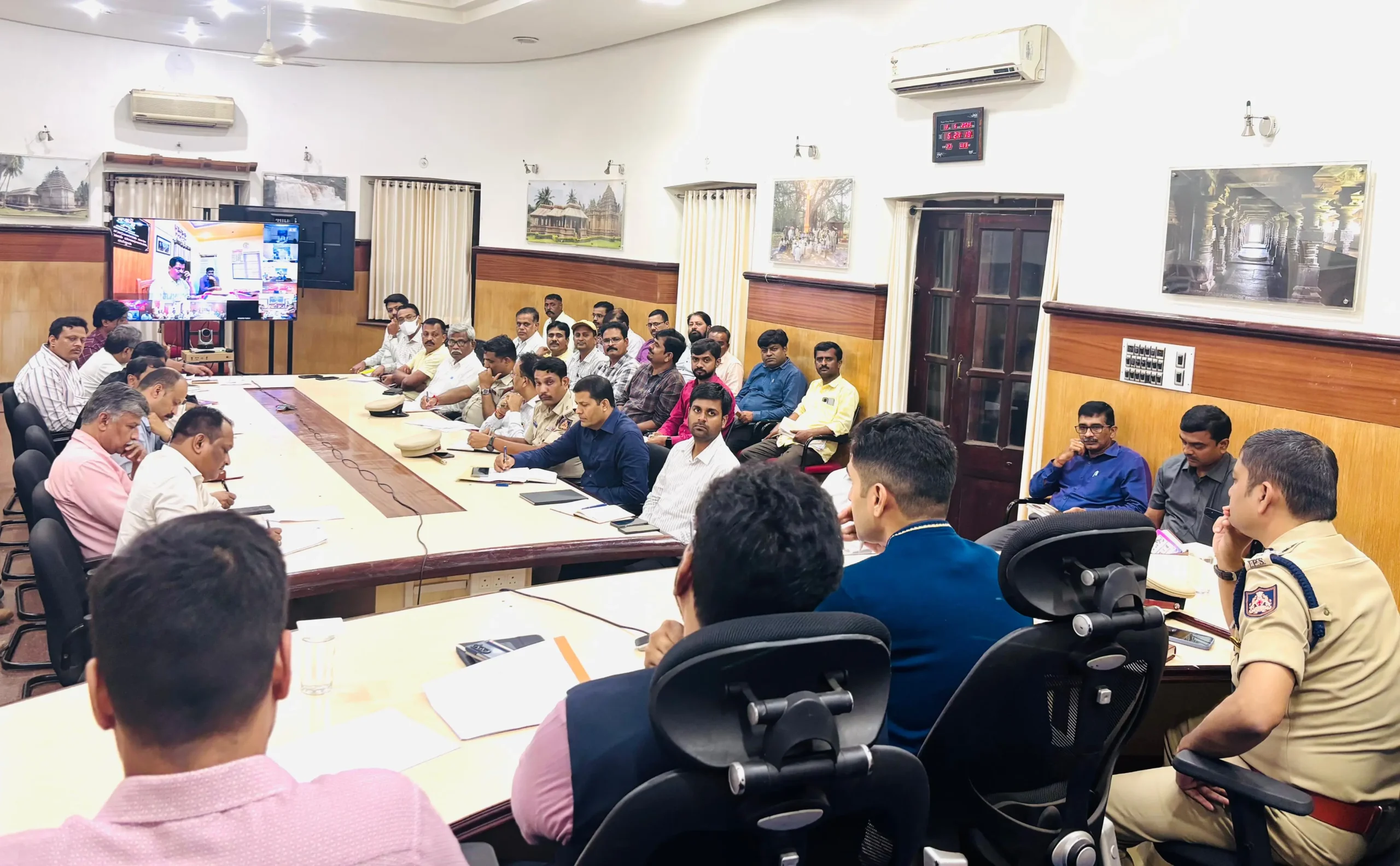
Key attendees included SP Dr. Bhimashankar Gulled, Sub-Divisional Officer Shravan Nayak, and senior Zilla Panchayat, health, fire, and planning officials. Many participated via video conference, ensuring taluk-level preparedness across the district.