












Neuroendoscopy: Minimally Invasive Surgery for the Brain and Spine
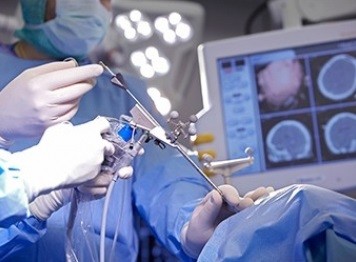
Neuroendoscopy is a rapidly evolving surgical technique transforming brain and spine surgery. It utilizes a thin, flexible tube called an endoscope, equipped with a camera and light source, to visualize and operate on delicate areas of the nervous system. Compared to traditional open surgery, Neuroendoscopy offers several advantages:
- Minimally invasive: Smaller incisions translate to less tissue disruption, reduced blood loss, and faster healing times.
- Preserves healthy tissue: By providing a magnified view, surgeons can operate with greater precision, minimizing damage to surrounding healthy brain or spinal structures.
- Cosmetically beneficial: Smaller incisions often lead to less noticeable scarring.
- Faster recovery: Minimally invasive procedures typically result in shorter hospital stays and quicker return to daily activities.
Applications in Brain Surgery:
- Hydrocephalus: Neuroendoscopy is a leading treatment for hydrocephalus, a condition where cerebrospinal fluid (CSF) builds up in the brain, causing pressure and headaches. Surgeons can use an endoscope to create a new pathway for CSF drainage (endoscopic third ventriculostomy).
- Brain tumors: Endoscopy can be used for tumor biopsies, aiding in diagnosis. In some cases, surgeons may even remove benign or small tumors endoscopically.
- Pituitary tumors: Endoscopic surgery can access tumors at the skull base, including pituitary tumors, with minimal disruption to surrounding structures.
- Cyst removal: Colloid cysts and other benign cysts in the brain can be effectively removed using an endoscope.
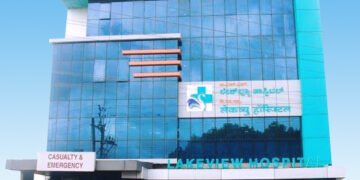
- At lake view with a good experienced team of more than 20 years we are able to achieve excellence in endoscopic brain surgery for all the above conditions.for details please visit the youtube channel of the author where he demonstrates endoscopic surgeries done at our hospital with precion and excellence.
Applications in Spine Surgery:
- Disc herniation: Endoscopic discectomy allows surgeons to remove herniated disc material compressing nerves in the spine.
- Spinal stenosis: Minimally invasive endoscopic techniques can be used to relieve pressure on spinal nerves caused by narrowing of the spinal canal.
- Spine biopsies: Endoscopy can be used to obtain tissue samples for diagnosis of spinal conditions.
- Routinely the author has been performing these surgeries and widely been expected as an authority on spine diseases in this area.
Possibilities for the Future:
- Advanced instrumentation: Technological advancements in endoscopes and surgical tools will continue to refine procedures and expand their reach within the brain and spine.
- New treatment applications: Research is ongoing to explore the use of Neuroendoscopy for treating other neurological conditions like Parkinson’s disease and epilepsy.
- Improved navigation and visualization: Integration of advanced imaging techniques like real-time MRI with endoscopes will provide even better visualization for surgeons.
Neuroendoscopy is a powerful tool that has revolutionized brain and spine surgery. As technology advances and its applications expand, it holds the promise of further improving patient outcomes and offering minimally invasive solutions for a wider range of neurological conditions.
Dr. Raviraj Ghorpade
Consultant Neuro & Spine surgeon
Minimally invasive & Endoscopic Neuro spine surgeon
Bhs lake view hospital
Belgaum.